The Most Dangerous Email Scams in 2026 (And How to Protect Yourself)
Email scams in 2026 are smarter, more personalised, and harder to spot than ever. Here are the most dangerous ones — with real examples and practical ways to protect yourself.
Loading...
Expert insights on email security, phishing prevention, and protecting your inbox.

Email scams in 2026 are smarter, more personalised, and harder to spot than ever. Here are the most dangerous ones — with real examples and practical ways to protect yourself.

"Your payment failed" emails from Netflix, Disney+, and Spotify are almost always scams. Here's how to tell the real ones from fakes — with actual sender addresses and what to check.

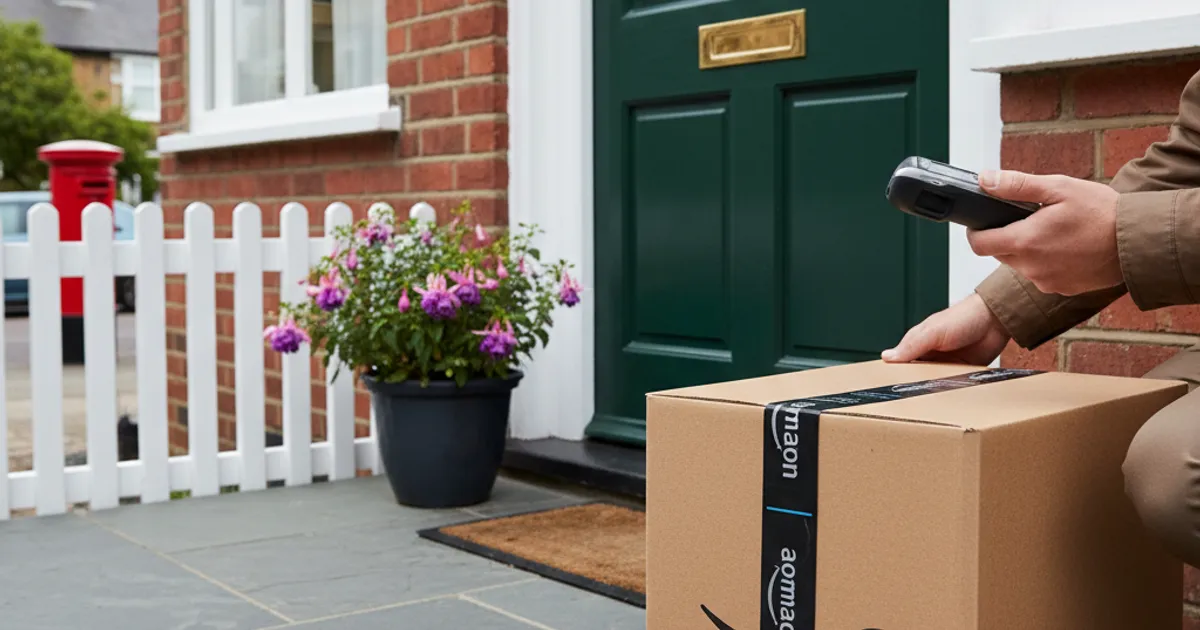
Fake delivery emails are the UK's most common scam. Here's exactly how to tell a real Royal Mail, DPD, or Evri notification from a fake — with real examples and the actual domains to trust.

Got a suspicious email about your Apple ID or iCloud account? Here's how to tell if it's really from Apple — with legitimate sender addresses and the exact red flags to look for.

Suspicious email from your bank? Here's a UK-specific guide covering Barclays, HSBC, Lloyds, NatWest, Santander, and Nationwide — with real sender addresses and instant verification steps.

Got an email claiming to be from HMRC about a tax refund or outstanding payment? Here's exactly how to tell if it's genuine — and what HMRC will never do by email.

Suspicious email from "PayPal"? Here's how to tell if it's real — including the sneaky invoice scam that even catches tech-savvy people.

Got a suspicious email claiming to be from Amazon? Here's exactly how to tell if it's real or a scam — with specific sender addresses and a 30-second checklist.

Scammers don't succeed because their victims are stupid. They succeed because they hijack your brain's threat response before your rational mind can catch up. Here's exactly how — and how to fight back.

65% of people reuse passwords across multiple sites. Attackers know this — and they've built an entire industry around exploiting it. Here's exactly how one stolen password unravels your entire digital life.

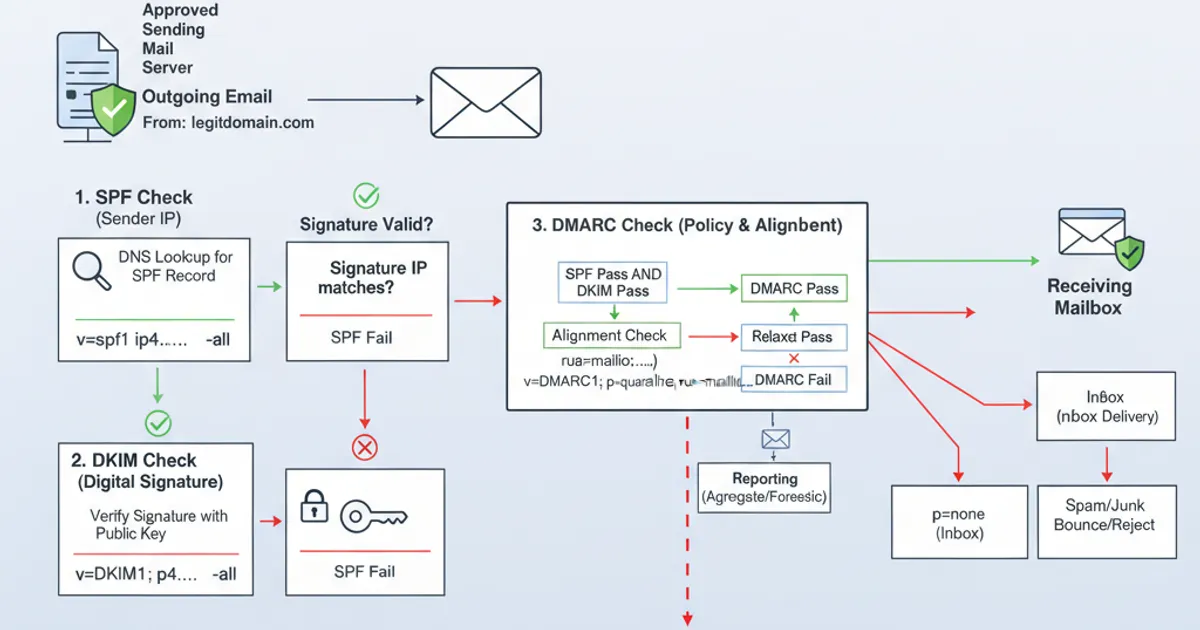
Anyone can send an email pretending to be your bank, your boss, or your domain. SPF, DKIM, and DMARC exist to stop that — but most domains still don't use them properly. Here's how they work.

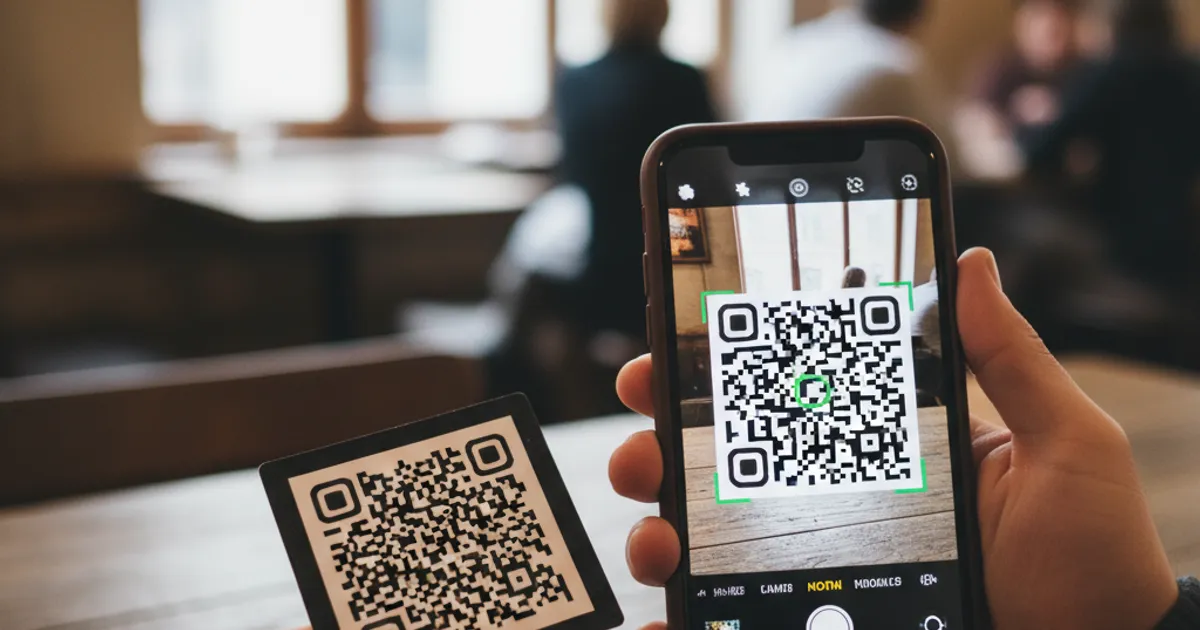
Attackers are embedding malicious QR codes in emails to bypass every link scanner on the market. It's called quishing, it's growing over 400% year-on-year, and most security tools can't stop it.